top of page
Blog
Featured
News


The Missing Middle: How Outdated Kennel Codes Restrict Rescue Capacity During California's Animal Shelter Crisis
California shelters are struggling with capacity. Rescues are being asked to take more animals from shelter and communities. Rescues mailboxes are bombarded daily with urgent pleas to save a life. Yet local codes can make it prohibitively expensive for responsible nonprofit rescuers—even those with substantial acreage—to legally house just a few additional dogs. California has an animal-capacity problem. Public shelters across the state are struggling with overcrowding and li
Oct 37 min read


California Defines Who Is a Breeder. But Californians Have No Statewide Registry to Find Them
California government may already hold pieces of information about people breeding and selling animals. Yet Californians still have no comprehensive statewide system to identify and verify breeders—or even reliably answer a basic population question: who is breeding California's companion animals, and how many animals are they producing? For nearly three decades, California law has defined certain people as “dog breeders.” Yet an ordinary Californian still cannot simply go to
Oct 311 min read


Part 2: Methodological Commentary on Population Coverage and External Validity in U.S. Shelter Dog Census Research
A national framework intended to characterize companion animal homelessness cannot be limited exclusively to animals that successfully enter formal shelter custody. Shelter admissions are an important and measurable component of the animal welfare system, but they represent only one pathway through which animals requiring intervention are managed.
Oct 29 min read


Part 1: Methodological Commentary on Population Coverage and External Validity in U.S. Shelter Dog Census Research
When research is presented as a national reference, we should first ask: how much of the nation is actually represented in the data?
Animal Rescuers For Change (ARFC) conducted a detailed methodological review of the recently published study Shelter Dog Census Changes Track Intakes but Resolve Slowly via Outcomes and Especially Adoptions.
Oct 229 min read


Help to Rescues and Animals in Need
Sometimes helping a rescue means providing food, vaccinations, or spay/neuter assistance. Other times, one unexpected medical emergency can cost thousands of dollars and place an enormous financial burden on a small rescue that refuses to give up on an animal. When we have the resources, Animal Rescuers For Change helps rescues facing these extraordinary veterinary expenses. Terra and a young cat rescued in Mojave are two examples of why this assistance matters. ❤️ Terra's Se
Sep 133 min read


Spay/Neuter Help for Communities Without Access to This Vital Service
Across California, there are communities where affordable spay/neuter services are extremely limited—or where residents caring for community cats and abandoned animals have no meaningful local program to turn to. But the animals do not stop reproducing because services are unavailable. When prevention resources are missing, small rescues, volunteers, and ordinary community members step in. They trap community cats, transport them to clinics, pay for surgeries, feed colonies,
Sep 133 min read


Feeding the Forgotten: Helping Stray and Abandoned Animals in Underserved Communities
Across California, there are communities where stray and abandoned animals depend almost entirely on the compassion of ordinary people. Dogs are dumped along roads and on abandoned properties. Animals wander through desert areas looking for food and water. Pregnant dogs give birth outside. Puppies are born with no safe place to go. Community cats continue reproducing because affordable spay/neuter can be difficult to access. And in many of these places, local residents, small
Sep 66 min read


LA County Animal Care & Control, San José Animal Care & Services, and Southeast Area Animal Control Authority (SEAACA) Performance Trends
California’s animal shelter system is undergoing significant changes, yet the full impact of those changes is difficult to evaluate without consistent, long-term statewide data.
Sep 514 min read


Read Our Latest Report: California Shelter And Rescue Data Transparency Gaps
Our latest report examines a troubling contradiction in California’s animal welfare system: some major public shelter systems are taking in roughly 40% fewer animals than before COVID, while communities and rescues continue to report an animal overpopulation and capacity crisis. For example, LA County intake declined approximately 42% from 2018–19 to 2024–25, San Jose declined 40%, and SEAACA declined nearly 60% from 2018 to 2024.
Aug 312 min read


Accountability Must Work in Every Direction: California Needs an Animal Welfare System, Not Another Scapegoat
California Wants More Animal-Welfare Accountability. First, It Needs Reliable Data. For nearly two years, Animal Rescuers For Change (ARFC), a coalition representing more than 100 California rescue organizations, has advocated for one coherent statewide animal welfare system. Long before the Miranda tragedy brought renewed attention to rescue oversight, we were raising structural problems with legislators, stakeholders, the California Department of Justice (regarding the agen
Aug 2623 min read


California’s Rescue Community by the Numbers: Thousands of Organizations, Most of Them Small
When California discusses animal rescue policy, it is important to understand who California’s rescue organizations actually are. They are not primarily large institutions with substantial staffs, facilities, compliance departments, and multimillion-dollar budgets. Available IRS-derived data paints a very different picture. According to data obtained through CauseIQ and based on publicly available IRS Form 990 information, California has approximately 3,691 registered 501(c)(
Aug 263 min read


California’s Shelter Data Gaps: Is California's Shelter System Fragmented by Design?
California’s animal welfare system spans 58 counties, hundreds of cities, municipal shelters, county shelters, contracted humane societies, nonprofit organizations operating under municipal contracts, and joint-powers agencies. Yet California does not maintain a single comprehensive statewide registry identifying all publicly funded sheltering entities. By comparison, IRS records identify more than 3,600 registered nonprofit animal rescue organizations operating in California
Jul 163 min read


When Public Animal Services Become Charity
The Dangerous Shift Happening Inside American Shelter Systems A growing question is emerging across animal welfare systems in the United States: At what point does a public service stop functioning as public infrastructure and begin operating like a charity project? That question is becoming increasingly relevant in Los Angeles, where the proposed 2026 animal services budget has triggered concern among rescuers, advocates, and community members nationwide. According to recent
May 143 min read


Who Benefits From Unregulated Animal Sales on Facebook, Instagram and Craigslist?
Unregulated animal sales on platforms like Facebook, Instagram and Craigslist don’t exist in a vacuum—they create a small set of clear winners, while pushing the real costs onto animals, shelters, rescues, and communities. Here’s the reality, stripped down: 1. Backyard Breeders and High-Volume Sellers — the Primary Beneficiaries These platforms give sellers: Free, massive reach (thousands of buyers instantly) No meaningful identity verification Ability to re-list continuously
May 63 min read


California Domestic Animal Crisis, Legislative Brief 2026
Animals are deeply important to many of us, and countless Californians work every day to protect their welfare. We are reaching out with urgency and determination in response to the escalating domestic animal crisis facing our state.
May 51 min read


TAKE ACTION NOW: FTC Public Comment Open on Online Animal Sales
We have a limited window to make an impact. The Federal Trade Commission is now accepting public comments on unregulated online animal sales — and your voice is critical.
May 44 min read


America’s Animal Shelter System Is Quietly Retreating From Public Service
Animal Rescuers for Change (ARFC) reviewed trends from three historically high-intake California municipal shelter systems: Los Angeles County Animal Care & Control, San Jose Animal Care & Services, and Southeast Area Animal Control Authority (SEAACA). Across all three systems, the same pattern emerged: Significant reductions in animal intake over time Simultaneous overcrowding and operational crisis Reduced public-facing services and intake accessibility Growing transfer of
May 37 min read


San Jose Deepening Animal Welfare Crisis, ARFC Report, 2026
San Jose Animal Welfare Crisis: System Failures, Rising Overpopulation, and Declining Shelter Performance San Jose’s Animal Crisis Is Deepening. This report examines the current state of animal welfare in San Jose. The findings point to a system under significant strain: 📉 Shelter performance is declining 📈 Animal overpopulation is rising ⚠️ Systems meant to protect animals are under pressure or failing Key Findings Overcrowded shelter and reduced intakes are pushing respon
May 32 min read


When Shelters Stop Taking Animals: The Crisis Behind the Numbers
California does not appear to have a single officially maintained statewide count of only “public municipal shelters,” partly because systems vary widely: city-run shelters, county shelters, joint powers authority shelters, contracted humane societies, nonprofit-operated municipal contracts, and open-admission vs limited-admission systems. However, the most commonly referenced estimates suggest: roughly 250–330 physical shelter facilities operate in California overall, depend
May 14 min read


San Jose’s Spay/Neuter Gap Is Shifting the Burden to Residents and Rescues
ARFC reviewed available shelter data, public records, historical trends, and community-reported concerns as part of this analysis. What emerged should concern residents, rescuers, volunteers, taxpayers, policymakers, and city leadership alike. The findings point to a significant shift within San José’s animal services system: reduced prevention resources, increasingly limited shelter intake, and growing responsibility placed on residents, animal finders, and nonprofit rescue
Apr 306 min read
Feeding the Forgotten: Helping Stray and Abandoned Animals in Underserved Communities
Across California, there are communities where stray and abandoned animals depend almost entirely on the compassion of ordinary people. Dogs are dumped along roads and on abandoned properties. Animals wander through desert areas looking for food and water. Pregnant dogs give birth outside. Puppies are born with no safe place to go. Community cats continue reproducing because affordable spay/neuter can be difficult to access. And in many of these places, local residents, small
Sep 66 min read
LA County Animal Care & Control, San José Animal Care & Services, and Southeast Area Animal Control Authority (SEAACA) Performance Trends
California’s animal shelter system is undergoing significant changes, yet the full impact of those changes is difficult to evaluate without consistent, long-term statewide data.
Sep 514 min read
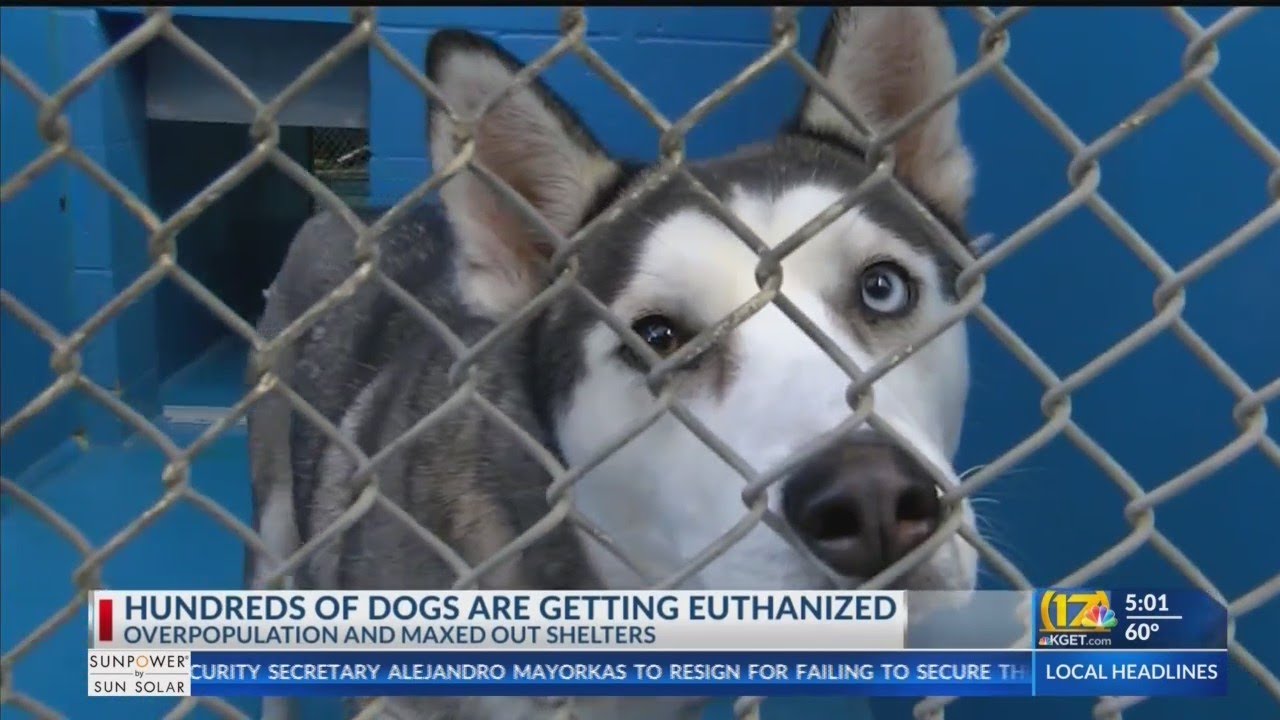
Hundreds of dogs are getting euthanized due to overpopulation and maxed out animal shelters
Hundreds of dogs are getting euthanized due to overpopulation and maxed out animal shelters
Apr 3, 20240 min read


Pet euthanazia rates at a three year high
This year, approximately 8.5% of animals entering shelters have been euthanized, marking a nearly 2% increase from 2021. While adoption remains the most effective means of assistance, volunteering, fostering, and donating are also valuable ways to support.
Apr 3, 20242 min read


Hundreds of dogs getting euthanized in overpopulated shelters
The severity of the situation is also reflected in national trends. A report by Shelter Animals County, a national database for animal rescues, says intakes of stray dogs increased by 5% compared to 2022 and increased by 23% compared to 2021. [1] Mike was euthanized at Apple Valley Animal Shelter on March 03, 2024 . He only was posted to shelter website for 1 day During the holiday season, it’s tough for shelters. Adoptions drop, and places like the Bakersfield Animal Care
Apr 3, 20242 min read

Officials plead for help with overcrowded LA animal shelters
Many Southern California animal shelters are way over capacity and officials are now pleading for the public's help.
Apr 3, 20240 min read


Animal Population Control
7 to 20 percent of pets entering a home are no longer in that home six months after acquisition Puppies born in overcrowded shelter The issue of pet “overpopulation” involves two main factors: firstly, the breeding of cats and dogs without adequate avenues for finding homes for the resulting offspring; and secondly, the surrendering of pets by owners who can no longer care for them or no longer desire to do so. This results in millions of cats and dogs being euthanized annual
Apr 3, 20242 min read


Stanislaus Animal Services, Overcrowding
The Stanislaus Animal Services Agency’s shelter in Modesto is currently grappling with a significant overcrowding issue, as highlighted by its director, Vaughn Maurice. This problem has been persistent throughout the week, with the shelter housing 285 dogs as of Thursday morning, well above its comfortable capacity of 183. This means it’s operating at over 56% above its intended limit. Maurice attributes this overcrowding to various factors, including recent cases of dog hoar
Apr 3, 20242 min read


California Must Stop the Pet Animal Overpopulation Crisis
California is facing a serious pet overpopulation crisis that demands immediate attention. Recent articles in the Register shed light on the distressing situation in our county-run animal shelters, reminding us of the urgent need for action. Despite dedicated efforts over the past two decades, the pandemic has dealt a significant blow to our progress. Pparticularly Teri Sforza’s piece from May 2023, titled “More adult dogs dying at OC Animal Care, kennels largely off-limits,
Apr 2, 20242 min read
Bowie’s Law in hopes to stop Euthanasia across California
An assemblyman from California has introduced a bill aimed at safeguarding animals from euthanasia, ensuring that every adoptable pet receives an opportunity to be rehomed. Assemblymember Bill Essayli (R-Corona) has dubbed the legislation “Bowie’s Law,” inspired by a regrettable incident where a 3-month-old puppy named Bowie was mistakenly euthanized at the Baldwin Park Animal Center in Los Angeles towards the end of last year. Under Bowie’s Law, all animal shelters would be
Apr 2, 20241 min read


Fresno County Animal Shelter Needs Your Help
Overflowing Shelter, Surge of Intakes, Fresno Fresno County Animal Shelter, run by Fresno Humane Animal Services (FHAS), is facing an overflow of animals due to a recent surge in intakes, resulting in limited space. Space limitations only allow room for sick, injured, aggressive (danger to the public), and orphaned nursing animals. Healthy animals cannot be accepted until further notice. [1] To address this issue, the community is urged to: Adopt animals to reduce shelter ove
Apr 2, 20241 min read
Benefits of Spaying and Neutering
The benefits of spaying and neutering extend to both individual animals and the community as a whole. According to SpayUSA.org , spaying females offers advantages such as eliminating heat cycles, reducing the desire to roam, and decreasing the risk of mammary gland tumors, ovarian, and uterine cancer. Additionally, it helps in controlling the population of unwanted cats, kittens, dogs, and puppies and contributes to their overall health and longevity. Neutering males also pro
Apr 2, 20242 min read


Ready backyard breeders selling sick dogs
Increase in backyard breeding increasing sales of dogs with health issues: Fifteen-year-old Vivian Lee’s reflection on the attachment formed with her new puppy, Pudding, echoes the common sentiment of pet owners who find themselves unexpectedly bonded to their furry companions. However, this bond was tragically broken when Pudding was diagnosed with canine parvovirus shortly after being welcomed into the Lee family. Despite Vivian’s hope for Pudding’s recovery, the vet delive
Apr 2, 20242 min read
COVID-19 associated reduction in elective spay-neuter surgeries for dogs and cats
The rise of subsidized spay-neuter services has been a game-changer in reducing the heartbreaking euthanasia rates of shelter pets in the US over the past few decades. From a staggering 13.5 million in 1973, we’ve managed to bring that number down to 1.5 million by 2019, thanks to these crucial initiatives. However, when the COVID-19 pandemic hit in 2020, it threw a major wrench into the works. Lockdown measures meant that routine procedures, including spay-neuter surgeries,
Apr 2, 20242 min read


San Francisco sees increase in dog euthanasia rates
San Francisco’s city-operated animal shelter has been inundated with a surplus of animals following the pandemic, leading to the euthanization of over 400 dogs and cats between July 2022 and June 2023. This surge in intake mirrors a national trend, with shelters across the country facing record-high numbers of animals, outpacing adoptions and returns to owners, according to data from the Shelter Animals Count database. The San Francisco Animal Care & Control (SFACC) spokesper
Apr 2, 20241 min read


No-Kill Animal Shelters OR a struggle with High Volume Pet Euthanasia
In the quiet corners of the San Luis Obispo County Animal Shelter lies a room that holds the final moments for some of its furry inhabitants. Unlike the lively atmosphere of the main building, this space exudes a calmness, with soft lighting and a peaceful aura. Here, staff members offer solace to animals through gentle words and treats, knowing that many of them face uncertain futures due to illness or behavioral challenges. In 2021, California shelters found themselves over
Apr 2, 20243 min read
Why are California’s Animal Shelters Killing So Many Pets?
As I sit here writing, my furry companion Marigold—a charming, long-haired orange tabby—purringly occupies the space next to me. Marigold became part of our family through a local shelter’s Five Dollar Fridays deal, where vaccinated and spayed adult cats were offered for a mere pittance. My acquisition of Marigold (and Fluffy) during my wife’s absence led to a ban on solo shelter visits. I understand my wife’s reasoning behind the rule. I have a soft spot for animals in need,
Apr 2, 20242 min read
Several California Bills Die
Multiple Bills quietly die in California without transparency This week, numerous bills met their end, including Assemblywoman Rebecca Bauer-Kahan’s AB 331, designed to combat AI-driven discrimination in critical sectors like healthcare, housing, and employment. AB 331 aimed to bar the use of AI decision-making tools that foster discrimination and mandate assessments for such tools. However, it was among the many bills quietly terminated during legislative proceedings. The “s
Apr 2, 20242 min read
High Dog Euthanazia
Heartbreaking Reality: More Dogs Euthanized Despite Promises The Palmdale shelter, which opened in 2016, was intended to alleviate overcrowding and reduce euthanasia rates in Los Angeles County. However, a recent investigation by The Times revealed that both the Palmdale and nearby Lancaster shelters now euthanize more dogs, and at a higher rate, compared to other county facilities and municipalities like Los Angeles and Long Beach. The combined euthanasia rates at Palmdale a
Apr 2, 20242 min read
bottom of page